Hey designers—let’s cut to the chase. I’ve been in the flooring manufacturing game for 22 years, and I’ve lost count of how many times I’ve gotten a call from a designer panicking: “The engineered hardwood I specified is warping. My client is furious. What did I do wrong?”
Here’s the truth: 9 times out of 10, it’s not that you picked a “bad” product—it’s that you didn’t know the manufacturer secrets no brand wants to tell you. The stuff we talk about in our factory break room, but never put on a sales sheet. Today, I’m pulling back the curtain. As someone who’s oversaw the production of millions of square feet of engineered hardwood—including popular oak wood flooring styles like oak chevron flooring and oak herringbone flooring—(and fixed my fair share of designer mistakes), I’m here to make sure you never have to make that panic call.
This isn’t a sales pitch—just a fellow pro looking out for you. Because when your client is happy with their floors, you look like a rockstar. And when they’re not? Well, we’ve all been there. Let’s avoid that.
First: Let’s Talk About What “Engineered Hardwood” Actually Is (No Marketing Fluff)
I swear, half the designers I work with think engineered hardwood is just “fake wood” or “solid hardwood lite.” Nope—let’s set the record straight, straight from the factory floor.
The 3 Layers That Make or Break Your Floors (I’ve Seen Them Fail)
Engineered hardwood is a sandwich—three layers, each with a job. And if any layer is skimped on? You’re in trouble. Let me break ’em down like I do with new designers who tour our factory:
Wear Layer: This is the pretty top layer—the actual hardwood you see. But here’s the thing: thickness matters more than you think. I had a designer once specify a 2mm wear layer for a family with three kids and a golden retriever. Six months later, the floors had scratches everywhere, and the client wanted a redo. Why? A 2mm wear layer is great for low-traffic spaces (like a guest bedroom), but for a busy family? You need 3–4mm. That extra thickness lets you refinish the floors later (if needed) and stands up to paws, toys, and the occasional wine spill—critical for durable oak wood flooring that will last.
Pro tip: If a brand says “hardwood top layer” but won’t tell you the thickness? Walk away. We print ours right on the box—no secrets.
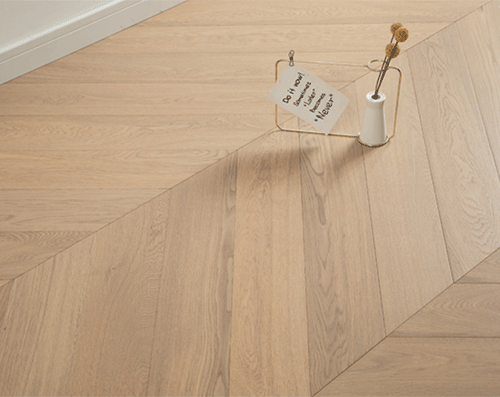
Core Layer: This is the hidden workhorse. Think of it as the backbone of your floors. Most brands use one of three: plywood, HDF (high-density fiberboard), or MDF (medium-density fiberboard). Here’s where I’ve seen designers mess up the most—especially with intricate styles like oak chevron flooring and oak herringbone flooring, which require extra stability to maintain their precise pattern.
Last year, a designer picked an MDF core for a coastal client’s kitchen with oak wood flooring. MDF soaks up moisture like a sponge—perfect for dry climates, terrible for beach houses. Within 8 weeks, the floors were warping along the edges. The client was livid, and the designer had to eat the cost of replacement. Lesson? Plywood core is best for high-humidity spaces (kitchens, bathrooms, coastal homes) because it’s stable and resists moisture—even more important for oak herringbone flooring and oak chevron flooring, where warping can ruin the symmetrical pattern. HDF is a middle ground—great for living rooms or bedrooms. MDF? Only use it for dry, low-traffic areas. Period.
Backing Layer: This is the bottom layer, and it’s not just “extra wood.” It’s there to balance the floor and prevent warping. We’ve had batches come through the factory where the backing layer was too thin—those floors went straight to the scrap pile. A good backing layer should be the same thickness as the wear layer, to keep everything balanced. If you’re inspecting a sample and the backing feels flimsy? That’s a red flag—especially for oak chevron flooring, which relies on even balance to lock together perfectly.
Myth Busting: “Engineered = Less Durable Than Solid”
I hear this all the time. Designers will specify solid hardwood for a client’s basement, then call me confused when it cups (warps upward at the edges). Newsflash: Solid hardwood is great for dry, stable spaces (like a second-floor bedroom), but it hates moisture and temperature changes. Engineered hardwood? Because of those three layers, it’s more stable. I’ve installed engineered oak wood flooring—including oak herringbone flooring—in basements that stay perfectly flat for 10+ years—something solid hardwood would never do.
Don’t get me wrong—solid has its place. But if you’re designing a space with fluctuating humidity (which is most spaces!), engineered is your friend. I wish more brands would tell you that—especially when it comes to popular styles like oak chevron flooring that clients love for their timeless appeal.
The 4 Biggest Mistakes I See Designers Make (I’ve Fixed All of Them)
Let’s get real—we all make mistakes. But these four? I see them weekly, and they’re 100% avoidable. Let’s learn from the designers who came before you (and my factory’s repair log).
Mistake 1: Choosing Flooring Based Only on How It Looks
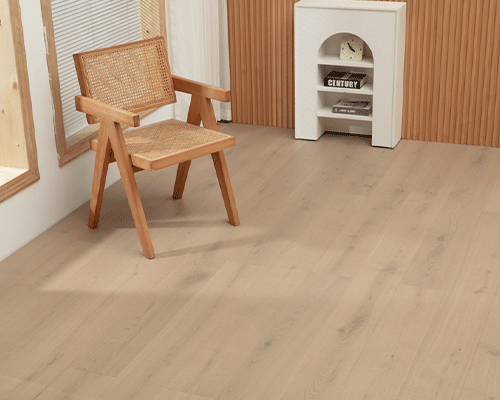
I get it—you’re a designer. Aesthetics are your superpower. But here’s the thing: that stunning light gray engineered oak wood flooring you found? It might be a disaster for your client’s lifestyle.
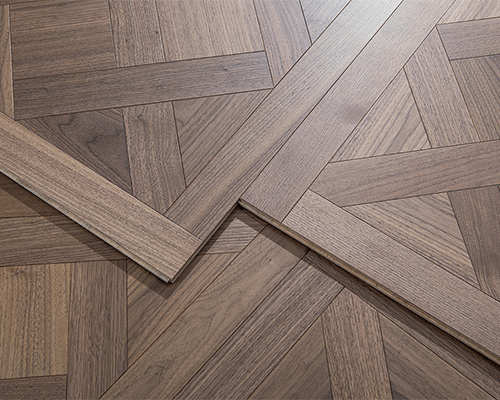
A few years back, a designer picked a light, matte-finish oak herringbone flooring for a client with two toddlers and a Great Dane. The finish was beautiful, but it showed every scratch and fingerprint. The client called me crying because the floors looked “dirty” no matter how much they cleaned. The problem? The finish was too soft—great for a quiet home office, terrible for a busy family.
Fix: Always ask about the finish type. We recommend UV-cured acrylic finishes for high-traffic spaces—they’re scratch-resistant and easy to clean. For low-traffic areas? Go wild with that matte, oiled finish you love for oak chevron flooring. And pro tip: Order a sample and test it—scratch it with a key, spill some coffee on it. If it holds up, great. If not, move on.
Mistake 2: Ignoring Installation Compatibility
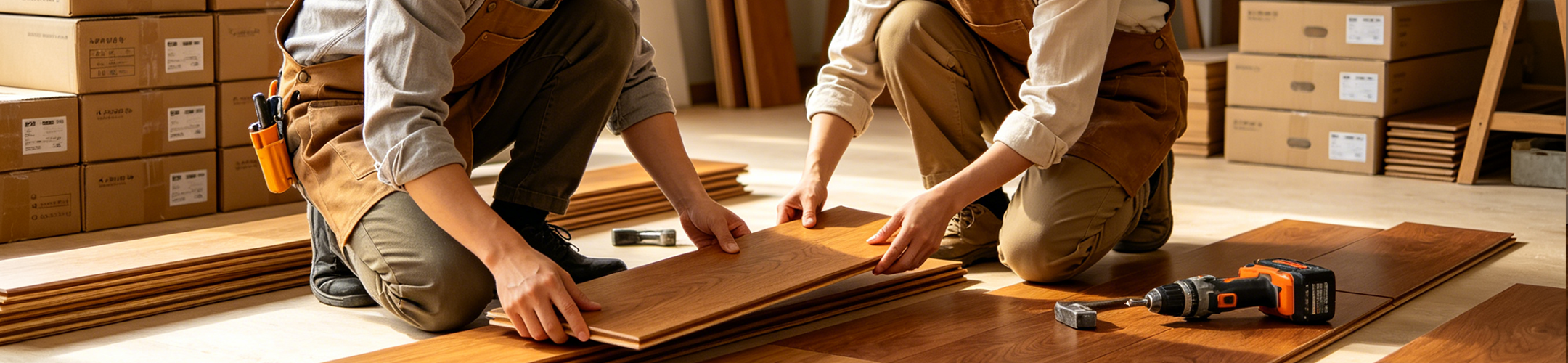
Flooring isn’t a “set it and forget it” product. How you install it matters just as much as the product itself. I once had a designer specify a floating engineered oak wood flooring for a commercial lobby. Floating floors are great for residential spaces—they click together and don’t need glue—but they’re not meant for heavy foot traffic. Within a month, the floors were creaking and shifting.
Here’s the manufacturer breakdown: Floating floors = best for residential spaces (bedrooms, living rooms) or rental properties (easy to remove)—ideal foroak chevron flooring in a home office or guest room. Glue-down floors = best for commercial spaces or high-traffic areas (they’re more stable)—perfect for oak herringbone flooring in a restaurant or lobby. Nail-down floors = great for solid hardwood, but not ideal for engineered (it can damage the core layer).
And don’t forget the subfloor! A designer once had us deliver 500 square feet of engineered oak wood flooring to a job site, only to find the subfloor was uneven. We had to delay installation for a week while the contractor fixed it. Always tell your contractor to check the subfloor—if it’s not level, the floors will warp, no matter how good the product is—especially critical for oak chevron flooring and oak herringbone flooring, where uneven subfloors ruin their precise pattern.
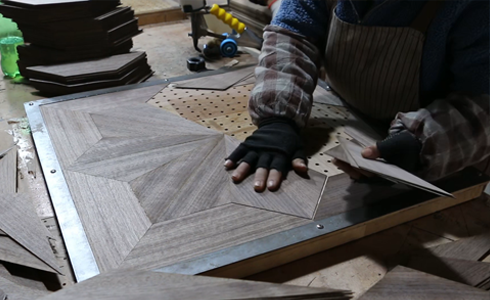
Mistake 3: Falling for “Marketing Buzzwords”
“Waterproof!” “Pet-proof!” “Scratch-resistant!” Let’s translate these from marketing speak to manufacturer speak:
• Waterproof: 99% of engineered hardwood is water-resistant, not waterproof. If you spill a glass of water, wipe it up within 24 hours, and you’re fine. But if you flood a bathroom? Even “waterproof” engineered oak wood flooring will fail. I had a designer once specify a “waterproof” floor for a client’s master bathroom—they left the shower running while they went to the store, and the floors warped. The brand refused to honor the warranty because it was “user error.” Lesson: Don’t use engineered hardwood in a space where it will be submerged in water (like a shower). For bathrooms, go with a water-resistant core (HDF or plywood) and a water-repellent finish—and tell your client to wipe up spills fast.
• Pet-proof: There’s no such thing as pet-proof flooring. Period. I have a golden retriever myself—his nails scratch my own engineered oak wood flooring. The best you can do is pick a wear layer of 3mm or more and a scratch-resistant finish. And tell your client to trim their pet’s nails (trust me, they’ll thank you later).
Mistake 4: Underestimating Lead Times
This one makes me cringe. I’ve had designers call me begging for a rush order because they forgot that custom finishes take time. We once had a designer need 300 square feet of handscraped, custom-stained oak chevron flooring in 10 days. Impossible. Our custom orders take 4–6 weeks—we can’t cut corners without sacrificing quality.
The designer ended up buying a cheaper, off-the-shelf product that didn’t match the client’s vision. The client was unhappy, and the designer lost a referral. Don’t let this be you. Always ask your manufacturer about lead times—especially for custom stains, wide planks, or specialty finishes like oak herringbone flooring. Plan ahead, and you’ll avoid rushing into a bad decision.
My Manufacturer-Approved Checklist for Designers (Steal This)
This is the exact checklist I give to my top designer partners. Print it out, save it to your phone—use it every time you’re specifying engineered hardwood. It’ll save you headaches, money, and client complaints—whether you’re choosing standardoak wood flooring or intricate oak chevron flooring.
Step 1: Define the Space’s “Stressors” First
Before you even look at samples, ask yourself: What will this space be used for? Is it a high-traffic area? Does it get humid? Does the client have pets or kids?
For example: A coastal kitchen with kids and a dog needs a plywood core (moisture-resistant), 4mm wear layer (scratch-resistant), and UV-cured finish (easy to clean)—perfect for oak wood flooring. A guest bedroom? You can go with a 2.5mm wear layer and MDF core—save the client some money without sacrificing quality, even for oak herringbone flooring in a low-traffic space.
Step 2: Vet the Manufacturer (Not Just the Brand)
Anyone can slap a logo on a box of flooring. You need to know who’s making it. Ask these questions:
If a brand hesitates to answer these questions? Run. We once had a designer come to us after a bad experience with an overseas brand—their oak wood flooring had inconsistent color, and the brand ghosted them when they tried to get a replacement. Don’t take that risk.
Step 3: Inspect Samples Like a Manufacturer
Don’t just look at the sample—touch it, test it, inspect it. Here’s what I do when I check a sample:
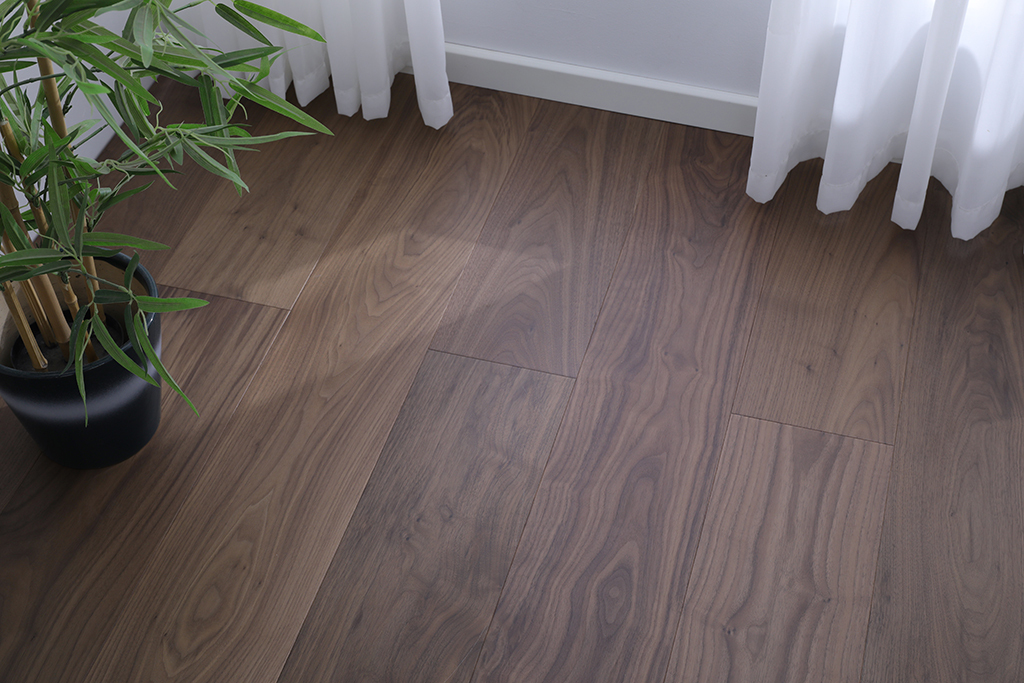
Step 4: Understand the Warranty (Read the Fine Print)
Warranties are tricky. Most brands will tell you they have a “25-year warranty,” but what does that actually cover? Here’s the secret: Most warranties don’t cover “designer error”—like choosing the wrong product for the space.
We offer a 30-year warranty, but it covers wear layer damage, manufacturing defects, and warping (as long as the floor was installed correctly)—even for specialty styles like oak chevron flooring and oak herringbone flooring. Always ask for a copy of the warranty and read it—if it’s vague, or if it excludes common issues, find another brand.
My Go-To Recommendations for Designers (From Our Factory Line)
I’m not here to sell you our product (okay, maybe a little), but these are the specs I recommend to designers based on their projects. They’re tried and true—we’ve installed them in thousands of homes and commercial spaces, from standard oak wood flooring to elegant oak herringbone flooring.
High-Traffic/Luxury Spaces (Commercial Lobbies, Luxury Homes)
Specs: 4mm oak or hickory wear layer, plywood core, UV-cured acrylic finish. Why? Oak and hickory are durable, the plywood core resists moisture, and the UV finish stands up to heavy foot traffic. Plus, wide plank options (6–8 inches) look stunning in large spaces—perfect for oak wood flooring or oak herringbone flooring in a luxury lobby. We used this in a high-end hotel lobby last year—still looks brand new.
Moisture-Prone Spaces (Kitchens, Bathrooms, Coastal Homes)
Specs: 3mm wear layer, HDF core (water-resistant), water-repellent finish. HDF is denser than MDF, so it doesn’t soak up moisture. We had a designer use this in a beach house in Florida for oak wood flooring—after 5 years, no warping, no damage. Perfect for clients who want hardwood in humid spaces.
Custom Design Projects (Unique Stains, Handscraped Looks)
Specs: 4mm solid hardwood wear layer, plywood core, artisanal finish. The solid wear layer lets us custom-stain it to match any color—we once matched a client’s antique furniture for a historic home with oak chevron flooring. Handscraped finishes add texture and character—perfect for rustic or boho designs, whether you’re using oak wood flooring or oak herringbone flooring.
Budget-Friendly Options (No Sacrificing Style)
Specs: 2.5mm oak wear layer, MDF core, pre-finished. This is great for guest bedrooms, home offices, or clients on a budget. It comes in on-trend colors (gray, whitewash, light brown) and has consistent planks—no mismatched colors. We used this in a rental property last year for standard oak wood flooring—still looks great after 3 tenants.
Final Thoughts (From One Pro to Another)
Engineered hardwood is an amazing choice for your designs—it’s versatile, durable, and looks beautiful. But it’s only as good as the product you choose and the knowledge you have. As a manufacturer, I see designers succeed when they ask questions, vet their suppliers, and prioritize both style and performance—whether they’re specifying oak wood flooring, oak chevron flooring, or oak herringbone flooring.
One last anecdote: A designer I’ve worked with for years once told me, “Your checklist saved me from a $10,000 mistake.” That’s why I’m sharing this with you. I want you to feel confident when you specify engineered hardwood—confident that you’re making the right choice for your client, your design, and your reputation, no matter if it’s a simple oak wood flooring or a statement oak herringbone flooring.
If you ever have questions—about specs, installation, custom finishes—reach out. I’m not just a manufacturer—I’m your partner. And remember: Don’t buy or specify engineered hardwood until you’ve armed yourself with these insights. Your clients (and your peace of mind) will thank you.
Designer FAQ (Answered by a Flooring Manufacturer)
Q: Can I use engineered hardwood in a bathroom?
A: Yes—if you choose the right product. Go with a water-resistant HDF or plywood core, a 3mm+ wear layer, and a water-repellent finish. And tell your client to wipe up spills immediately. Avoid using it in a shower or wet area—stick to tile there. This applies to all styles, from oak wood flooring to oak chevron flooring.
Q: How many times can engineered hardwood be refinished?
A: It depends on the wear layer. A 2mm wear layer can be refinished once (max). A 3–4mm wear layer can be refinished 2–3 times. We recommend refinishing only when necessary—each time you sand, you’re removing part of the wear layer, which is especially important for oak herringbone flooring and oak chevron flooring to maintain their pattern.
Q: Is custom staining available for engineered hardwood?
A: Yes—if you work with the right manufacturer. We offer custom staining for our 3–4mm solid wear layer engineered hardwood. Just send us a color swatch, and we’ll match it. Most brands only offer pre-finished colors, so ask upfront—this is especially popular for oak wood flooring, oak chevron flooring, and oak herringbone flooring to match a client’s design vision.
Q: Engineered hardwood vs. LVP—when should I choose one over the other?
A: LVP is great for spaces with extreme moisture (like a mudroom or laundry room) or clients on a tight budget. But engineered hardwood has a real wood look and feel—perfect for clients who want the warmth of hardwood without the maintenance of solid. For most residential spaces, engineered hardwood is the better choice for design appeal—especially oak wood flooring, oak chevron flooring, and oak herringbone flooring, which add timeless elegance to any space.
Ready to Elevate Your Projects with Premium Wood Flooring?
To all designers, contractors, and builders—we get it: Your projects depend on high-quality, durable, and visually stunning oak wood flooring, oak chevron flooring, and oak herringbone flooring. Whether you need a quote for your next job, a professional consultation to avoid costly mistakes, or answers to product questions about our premium wood flooring, we’re here to help. Reach out to our team today—we’ll work with you to find the perfect flooring solution that aligns with your design vision, project needs, and client expectations. Let’s create spaces that stand the test of time, together.