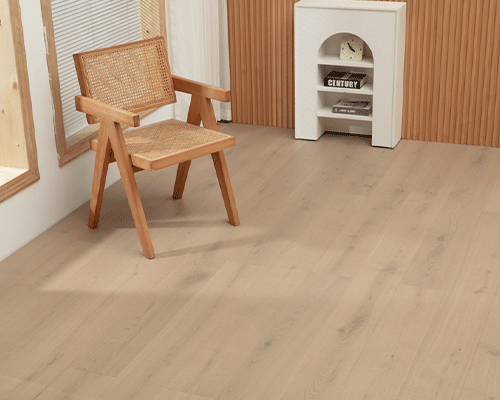
The global demand for engineered flooring has grown steadily over the past decade, driven by the increasing popularity of premium residential interiors, commercial developments, hotels, retail spaces, and large-scale renovation projects. Compared with traditional solid hardwood flooring, engineered flooring offers greater dimensional stability, better compatibility with underfloor heating systems, and excellent long-term performance in regions with changing humidity levels.
For contractors, distributors, importers, and developers, choosing the right engineered flooring manufacturer is one of the most important decisions in the purchasing process. Product quality, manufacturing consistency, export experience, customization capabilities, and delivery reliability can all influence the success of a flooring project.
Whether you are sourcing engineered hardwood flooring for a luxury residential development in the United States, a hotel project in the Middle East, a commercial building in Canada, or a wholesale distribution business in Australia or Albania, partnering with an experienced flooring factory can reduce risks and improve overall project efficiency.
This guide explains what an engineered flooring manufacturer does, how to evaluate production capabilities, what products you should expect, and which factors matter most when selecting a long-term manufacturing partner.
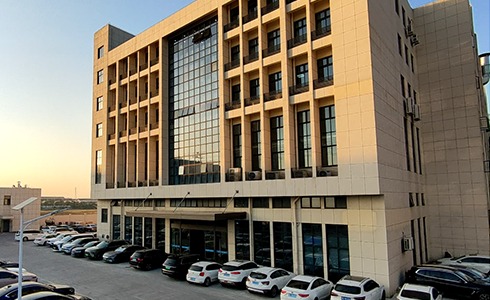
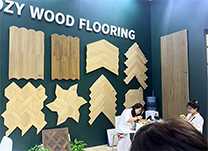
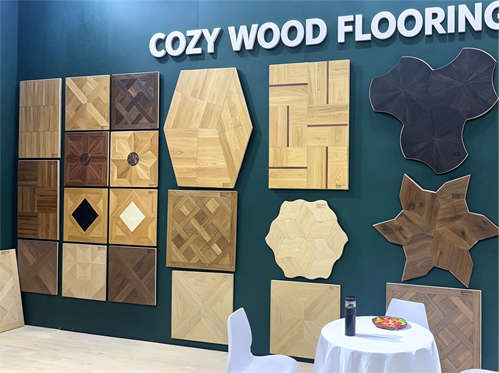
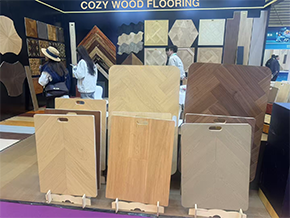
An engineered flooring manufacturer is a factory that designs, manufactures, finishes, and exports engineered wood flooring products for residential and commercial markets.
Unlike trading companies that purchase products from multiple suppliers, a professional manufacturer controls key production processes, including:
Working directly with a manufacturer allows buyers to achieve greater consistency in product quality, production schedules, and after-sales support.
For large commercial projects, factory-direct sourcing also provides more flexibility for customized specifications and private-label production.
Engineered flooring combines a genuine hardwood surface with a multi-layer plywood or hardwood core. This structure offers several advantages over traditional solid wood flooring.
One of the biggest benefits of engineered flooring is its ability to withstand seasonal changes in temperature and humidity.
The cross-layer construction minimizes expansion and contraction, reducing the risk of:
This makes engineered flooring an excellent choice for projects in climates with significant environmental changes.
Engineered flooring can be installed using several methods:
This flexibility allows contractors to choose the most suitable installation method based on project requirements.
Many engineered flooring products are compatible with radiant heating systems, making them increasingly popular in residential and commercial developments throughout Europe and North America.
A professional engineered flooring factory typically produces a diverse product range to meet different architectural styles and project requirements.
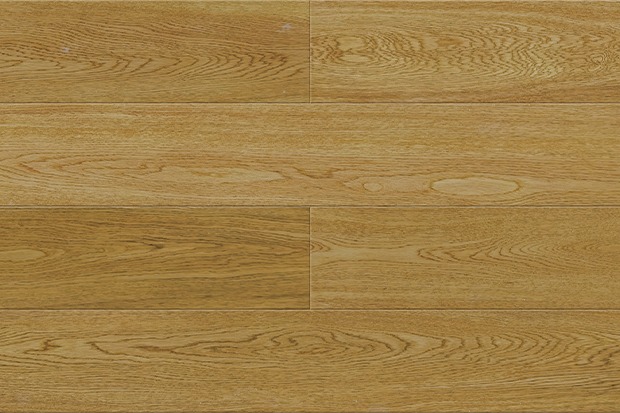
Engineered hardwood flooring remains the core product for most manufacturers.
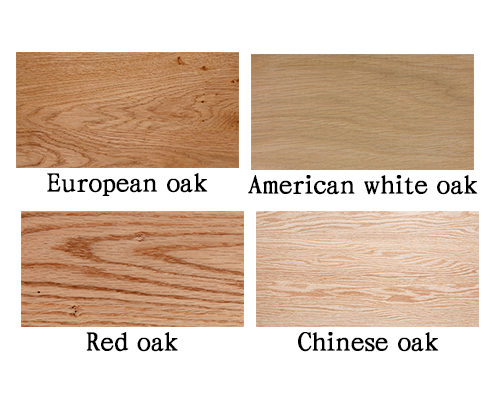
Popular wood species include:
Customers can choose from a wide variety of:
This flexibility makes engineered hardwood flooring suitable for both luxury residential and large-scale commercial projects.
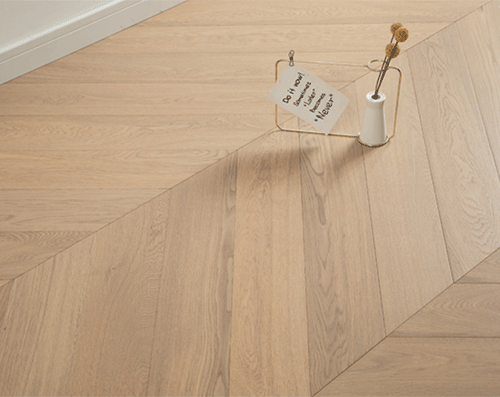
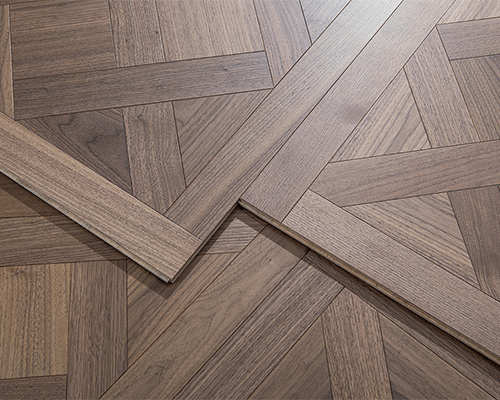
Parquet flooring continues to gain popularity among architects and interior designers because of its decorative appearance.
Common patterns include:
Engineered parquet flooring combines timeless design with improved structural stability, making it ideal for hotels, luxury residences, and high-end retail spaces.
Wide plank flooring has become one of the fastest-growing product categories in recent years.
Typical plank widths include:
| Width | Typical Applications |
|---|---|
| 5" | Residential homes |
| 7" | Luxury apartments |
| 9" | Hotels |
| 10"+ | Premium custom projects |
Wide planks create a more spacious appearance and showcase the natural beauty of hardwood grain, making them a preferred choice for contemporary interior designs.
The quality of engineered flooring depends heavily on the manufacturing process. A reliable factory follows strict quality control procedures from raw material selection to final packaging.
High-quality flooring begins with carefully selected hardwood and plywood materials.
Professional manufacturers inspect:
Selecting premium raw materials helps ensure long-term product stability.
Proper drying is one of the most important stages in flooring production.
Advanced drying systems help maintain consistent moisture content, reducing the likelihood of future installation issues such as warping or cracking.
Moisture control is particularly important for flooring exported to countries with different climate conditions.
Modern CNC production equipment ensures accurate:
Precision machining simplifies installation while improving the overall appearance of the finished floor.
Factory-applied finishes provide greater consistency than on-site finishing.
Popular options include:
These finishes enhance both durability and aesthetics while reducing maintenance requirements.
Purchasing directly from an engineered flooring manufacturer offers several practical advantages compared with buying through multiple intermediaries.
| Factory Direct Supply | Third-Party Trading |
|---|---|
| Better price control | Additional markups |
| Stable production quality | Quality may vary |
| Faster communication | Longer response times |
| Custom OEM/ODM services | Limited customization |
| Direct technical support | Communication gaps |
For contractors managing large projects or distributors building long-term supply chains, factory-direct cooperation often results in lower procurement costs and better quality consistency.
Engineered flooring has become a preferred choice for architects, contractors, developers, and distributors because it combines the beauty of real hardwood with the structural stability required for modern construction. Its versatility allows it to be used in a wide range of residential and commercial environments.
Engineered hardwood flooring is widely used in modern homes due to its elegant appearance and long-term durability.
Common residential applications include:
Compared with traditional solid wood flooring, engineered flooring performs better in homes equipped with radiant heating systems or located in regions with seasonal humidity changes.
Commercial spaces require flooring that can withstand heavy foot traffic while maintaining its appearance over time.
Engineered flooring is frequently specified for:
Its dimensional stability and factory-finished surface reduce maintenance requirements and help shorten installation schedules.
Hotels and resorts demand flooring that combines luxury aesthetics with practical performance.
Many hospitality projects choose engineered flooring because it offers:
Wide plank oak engineered flooring remains one of the most popular options for luxury hospitality developments.
Luxury developers often specify engineered hardwood flooring for premium residential communities because it creates a sophisticated interior while offering excellent structural stability.
Popular choices include:
These products complement modern architectural styles and remain highly desirable among homeowners.
As global demand for engineered flooring continues to grow, manufacturers increasingly supply products for projects across North America, the Middle East, Australia, Canada, and Europe.
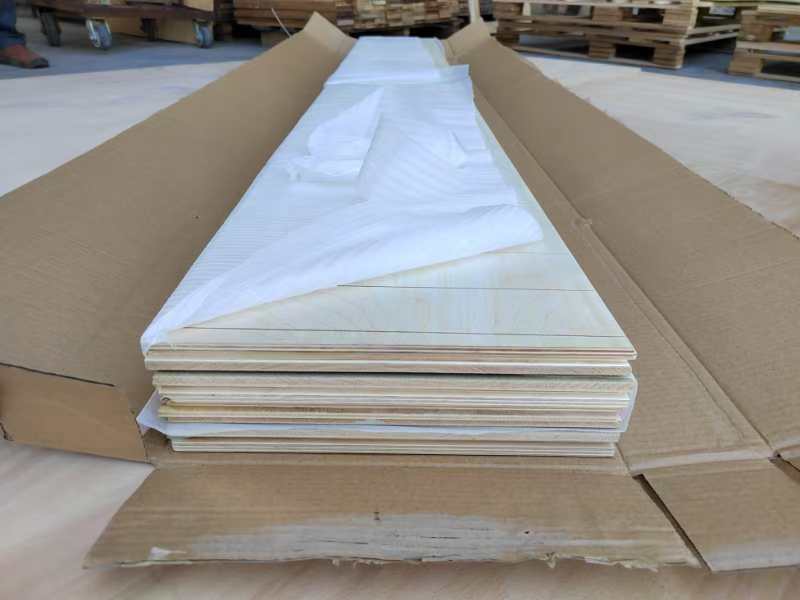
Export-oriented flooring manufacturers typically provide:
These services help distributors and contractors simplify procurement while reducing logistics risks.
Understanding both the strengths and limitations of engineered flooring allows buyers to make informed purchasing decisions.
Unlike solid hardwood flooring, engineered flooring uses a cross-layer plywood core that minimizes expansion and contraction caused by changes in humidity.
This makes it suitable for climates with significant seasonal variations.
Although the core structure differs from solid wood flooring, the surface is made from genuine hardwood.
Available species include:
As a result, engineered flooring offers the same natural beauty as traditional hardwood flooring.
Engineered flooring supports multiple installation methods, including:
This flexibility makes it suitable for a wide variety of building structures and project requirements.
Because engineered flooring uses a hardwood veneer over a multi-layer core, manufacturers can maximize the use of valuable hardwood resources while maintaining excellent product performance.
Professional manufacturers offer extensive customization options, including:
These options allow architects and designers to meet different aesthetic preferences.
Although engineered flooring is generally more affordable than premium solid hardwood flooring, it typically costs more than laminate or vinyl alternatives.
However, its durability and authentic wood appearance often provide better long-term value.
Not all engineered flooring products are manufactured to the same quality level.
Factors such as:
can significantly influence long-term performance.
Choosing an experienced manufacturer is therefore essential.
Some engineered flooring products can only be refinished once or twice, depending on the thickness of the hardwood wear layer.
Buyers should discuss wear layer specifications with the manufacturer before placing an order.
Selecting the right manufacturer is just as important as selecting the right flooring product. A reliable factory not only supplies quality materials but also supports consistent production, customization, and international logistics.
An experienced manufacturer should have a well-established production system and a proven record of supplying international markets.
When evaluating a factory, consider:
Manufacturers with extensive export experience are generally better equipped to meet the requirements of overseas buyers.
A comprehensive product portfolio demonstrates manufacturing capability and flexibility.
Look for suppliers that offer:
A broad product range allows buyers to source multiple flooring solutions from a single supplier.
Modern manufacturing facilities should utilize advanced equipment for:
Advanced machinery contributes to consistent dimensions, smoother installation, and improved product reliability.
Quality assurance should be integrated into every stage of production.
Professional factories typically inspect:
Consistent quality control minimizes the risk of defects and customer complaints.
Every project has unique requirements.
Choose a manufacturer capable of providing:
These services help distributors and contractors differentiate themselves in competitive markets.
A manufacturer with strong export capabilities should offer:
Reliable export support ensures smoother international transactions and timely project delivery.
Even when buyers choose high-quality engineered flooring, issues can still arise if products are sourced from inexperienced manufacturers or installed incorrectly. Understanding these common challenges can help contractors and importers reduce project risks.
Choose an engineered flooring manufacturer that maintains strict moisture control throughout production. Before installation, allow the flooring to acclimate to the job site according to the manufacturer's recommendations. Maintaining stable indoor humidity after installation also helps preserve the floor's performance.
Professional manufacturers establish standardized production procedures to improve color consistency. For repeat orders, request production based on approved samples and confirm the same finish specifications before manufacturing begins.
Evaluate the manufacturer's production capacity before placing large orders. Factories with dedicated production lines and export experience are generally better prepared to manage project schedules and seasonal demand.
Select a manufacturer that uses modern CNC equipment and performs dimensional inspections throughout production. Precision machining improves installation efficiency and minimizes on-site adjustments.
For commercial projects, consider UV-finished engineered flooring with durable protective coatings. Selecting the appropriate wear layer and finish based on the intended application will improve long-term performance.
The engineered flooring industry continues to evolve as architects, developers, and homeowners seek products that combine design flexibility, sustainability, and durability. Understanding these trends helps contractors and importers make informed purchasing decisions.
Wide plank engineered flooring remains one of the fastest-growing product categories worldwide.
Its popularity is driven by:
Widths of 7", 8", and 9" are especially common in premium developments across North America and Australia.
Consumer preferences have shifted toward more authentic wood appearances.
Popular finishes now include:
These finishes emphasize the natural grain while making minor scratches less noticeable during everyday use.
Environmental awareness continues to influence purchasing decisions.
Many buyers now evaluate manufacturers based on:
Manufacturers that invest in sustainable production methods are becoming preferred partners for international distributors and developers.
Commercial projects rarely require standard flooring specifications.
Contractors increasingly request:
Manufacturers capable of OEM and ODM production are better positioned to support these requirements.
Modern flooring factories are integrating automated production equipment to improve precision and efficiency.
Advanced technologies help achieve:
For buyers, this translates into greater product consistency and fewer installation issues.
Focus on manufacturing experience, production capacity, quality control, export experience, customization capabilities, and reliable customer support rather than price alone.
Engineered flooring offers greater dimensional stability, performs better in environments with changing humidity, and is compatible with more installation methods while maintaining the appearance of real hardwood.
Yes. Many manufacturers provide OEM and ODM services, including custom dimensions, finishes, surface textures, edge profiles, and private-label packaging.
Absolutely. High-quality engineered flooring is widely used in hotels, offices, retail stores, restaurants, educational facilities, and other commercial environments because of its durability and stability.
Some of the most commonly requested species include:
European Oak remains one of the most popular choices due to its versatility and timeless appearance.
Before placing an order, request product samples, review production capabilities, discuss quality control procedures, and confirm the manufacturer's export experience. A reliable supplier should also be able to provide detailed product specifications and communicate clearly throughout the project.
Choosing the right engineered flooring manufacturer is about much more than comparing prices. A dependable manufacturing partner provides consistent quality, technical expertise, reliable production schedules, and long-term support that helps contractors, distributors, and developers complete projects successfully.
Whether your project involves luxury residential developments, commercial buildings, hotels, or wholesale distribution, selecting a factory with advanced manufacturing capabilities and international export experience can significantly reduce procurement risks and improve overall project efficiency.
Professional manufacturers also provide the flexibility needed for today's market, including custom specifications, OEM and ODM services, factory-direct pricing, and dependable global logistics support.
As demand for engineered flooring continues to grow across the United States, Canada, Australia, the Middle East, and emerging markets such as Albania, working directly with an experienced manufacturer has become an increasingly valuable competitive advantage.
FOSHAN COZY IMPORT AND EXPORT CO., LTD and ZHEJIANG COZY WOOD PRODUCT CO., LTD specialize in manufacturing and exporting premium engineered flooring, parquet flooring, and solid wood flooring for global customers.
With years of manufacturing and export experience, we provide flooring solutions for contractors, importers, distributors, wholesalers, developers, and commercial project buyers worldwide.
Whether you are sourcing flooring for residential developments, hospitality projects, retail spaces, or large commercial installations, our team is ready to provide professional recommendations and customized manufacturing solutions.
Factory Address
Qiangyuan West Road, Nanxun District, Huzhou City, Zhejiang Province, China
Overseas Office
No. B618, 6th Floor, Block 2, Yili Tiandi Commercial Plaza, Dali District, Foshan City, Guangdong Province, China
Contact
Factory Office: +86 158 7271 0604
Foshan Office: +86 137 3295 0604
Instagram: https://www.instagram.com/cozyflooringmanufacturer/
If you are looking for a reliable engineered flooring manufacturer in China, contact us today to discuss your project requirements, request product samples, or receive a customized quotation. Our experienced team is ready to support your business with high-quality flooring products and dependable manufacturing services.